

As a supplier of RFID tire tags, I often get asked about the read speed of these innovative devices. Understanding the read speed is crucial for anyone looking to implement RFID technology in the tire industry, whether it's for inventory management, tracking, or quality control. In this blog post, I'll delve into what read speed means for RFID tire tags, the factors that influence it, and why it matters for your business.
What is Read Speed in RFID Tire Tags?
Read speed in the context of RFID tire tags refers to how quickly an RFID reader can capture and process the data stored on the tag. It's typically measured in tags per second (tps). For example, if a reader can read 100 tags in one second, its read speed is 100 tps. This metric is essential because it determines how efficiently you can manage large volumes of tires. In a busy warehouse or a high - throughput manufacturing environment, a fast read speed can significantly improve productivity.
Factors Affecting Read Speed
Tag Design and Antenna
The design of the RFID tire tag itself plays a major role in read speed. Tags with well - designed antennas can communicate more effectively with the reader. Our Tire Sticker is engineered with a high - performance antenna that maximizes signal strength and read range. This allows for quick and reliable data capture, even in challenging environments. The antenna's orientation and size also matter. A properly sized antenna can resonate at the right frequency, enabling faster data transfer between the tag and the reader.
Reader Technology
The type of RFID reader you use is another critical factor. Advanced readers are equipped with more powerful processors and better signal - processing algorithms. These features enable them to decode the data from the tags more rapidly. For instance, our latest generation of readers can handle complex tag protocols and multiple tags simultaneously, achieving high read speeds. Some readers also support multi - frequency operation, which can be adjusted based on the specific requirements of the application, further enhancing read speed.
Environmental Conditions
The environment in which the RFID system operates can have a significant impact on read speed. Metal objects, moisture, and electromagnetic interference can all disrupt the RFID signal. In a tire manufacturing plant, for example, there may be large metal machinery and equipment that can cause signal reflections and interference. Our Spring Tire Tag is designed to be more resistant to environmental factors. It uses special shielding materials to minimize the effects of interference, ensuring consistent read speeds even in harsh conditions.
Tag Density
The number of tags in the read range of the reader, known as tag density, can also affect read speed. When there are too many tags in close proximity, the reader may experience collisions, where multiple tags try to transmit data at the same time. To overcome this, modern RFID systems use anti - collision algorithms. These algorithms manage the communication between the tags and the reader, allowing for sequential or parallel data capture. Our RFID tire tags are optimized to work well in high - density environments, thanks to their advanced anti - collision features.
Why Read Speed Matters for Your Business
Inventory Management
In a tire warehouse, accurate and fast inventory management is essential. With a high - speed RFID system, you can quickly scan all the tires in a storage area, update the inventory database in real - time, and easily locate specific tires. This reduces the time spent on manual inventory checks and minimizes the risk of stockouts or overstocking. For example, if you need to find a particular tire size for a customer order, a fast - reading RFID system can provide the location information within seconds.
Production Efficiency
In tire manufacturing, read speed is crucial for maintaining a smooth production process. RFID tags can be used to track the progress of each tire through different stages of production, from raw material to finished product. A fast read speed ensures that the production line can operate at maximum efficiency, as there are no delays in data capture. This allows for better quality control and faster response to any production issues.
Supply Chain Visibility
RFID technology provides end - to - end visibility in the tire supply chain. Fast read speeds enable real - time tracking of tires as they move from the manufacturer to the distributor, retailer, and finally to the end - user. This visibility helps in reducing lead times, improving logistics planning, and enhancing customer service. For example, if a shipment of tires is delayed, the RFID system can quickly identify the location of the delay and allow for proactive measures to be taken.
Comparing Different Types of RFID Tire Tags
Tire Sticker
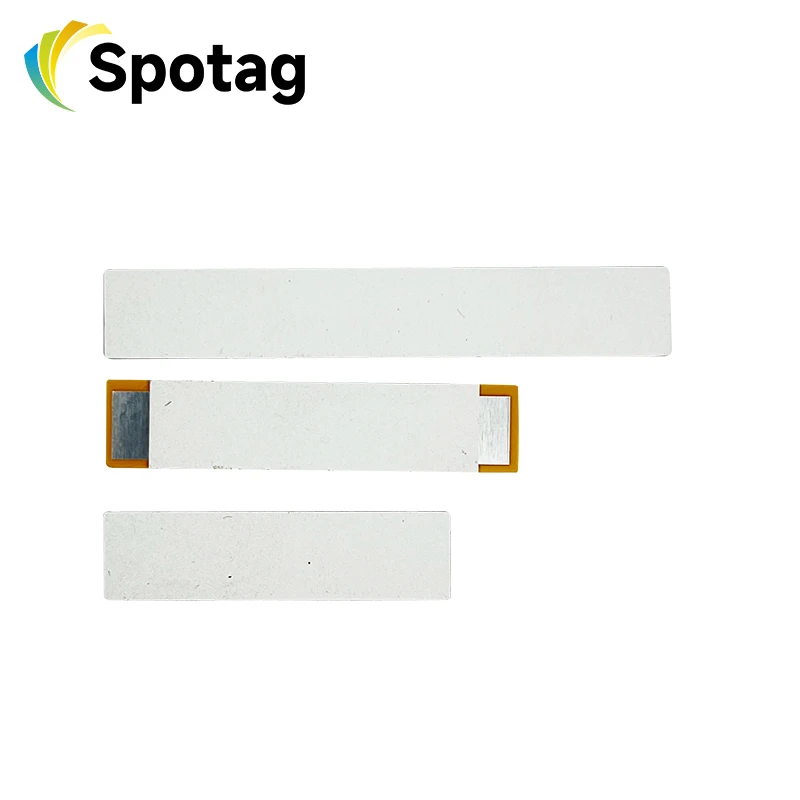
The tire sticker is a popular choice for its ease of installation. It can be simply adhered to the tire surface. Despite its thin and flexible design, it offers a decent read speed. The sticker's antenna is optimized for short - range applications, making it suitable for inventory management in a warehouse where the reader is in close proximity to the tires.
Spring Tire Tag
The spring tire tag is designed for more rugged applications. It can be inserted into the tire during the manufacturing process, providing long - term durability. The spring tag has a larger antenna, which allows for a greater read range and faster read speeds, especially in larger production facilities or outdoor storage areas.
Printable Tire Tag
The printable tire tag combines the functionality of an RFID tag with the ability to print information directly on the tag. This is useful for adding additional details such as tire size, brand, and manufacturing date. The read speed of the printable tag is comparable to that of other tags, and it can be customized to meet specific requirements.
How to Optimize Read Speed
Reader Placement
Proper placement of the RFID reader is essential for achieving optimal read speed. The reader should be positioned at the right distance and angle from the tags. In a warehouse, for example, the reader can be installed on a conveyor belt or a fixed stand at a height that allows for maximum coverage of the tires.

System Configuration
Configuring the RFID system correctly is also important. This includes setting the appropriate frequency, power level, and anti - collision algorithm. Our technical support team can assist you in configuring the system to ensure the best read speed for your specific application.
Regular Maintenance
Regular maintenance of the RFID system, including cleaning the readers and checking the tags for damage, can help maintain consistent read speeds. Over time, dust and debris can accumulate on the reader's antenna, reducing its performance. By keeping the system clean and well - maintained, you can ensure that it operates at peak efficiency.
Conclusion
The read speed of an RFID tire tag is a critical factor that can significantly impact the efficiency and effectiveness of your tire management operations. As a supplier, we offer a range of RFID tire tags, including Tire Sticker, Spring Tire Tag, and Printable Tire Tag, each designed to meet different needs and environments. By understanding the factors that influence read speed and taking steps to optimize it, you can achieve better inventory management, production efficiency, and supply chain visibility.
If you're interested in learning more about our RFID tire tags and how they can benefit your business, we invite you to contact us for a detailed discussion. Our team of experts is ready to assist you in finding the right solution for your specific requirements. Let's work together to take your tire management to the next level.
References
- "RFID Handbook: Fundamentals and Applications in Contactless Smart Cards, Radio Frequency Identification and Near - Field Communication" by Klaus Finkenzeller
- "RFID Technology: A Guide to Applications and Implementation" by Joseph J. Salerno
