

Hey there! As a supplier of RFID tire tags, I've seen firsthand how crucial it is to have the right software for managing the data these tags generate. In this blog, I'm gonna break down the types of software you need to handle RFID tire tag data effectively.
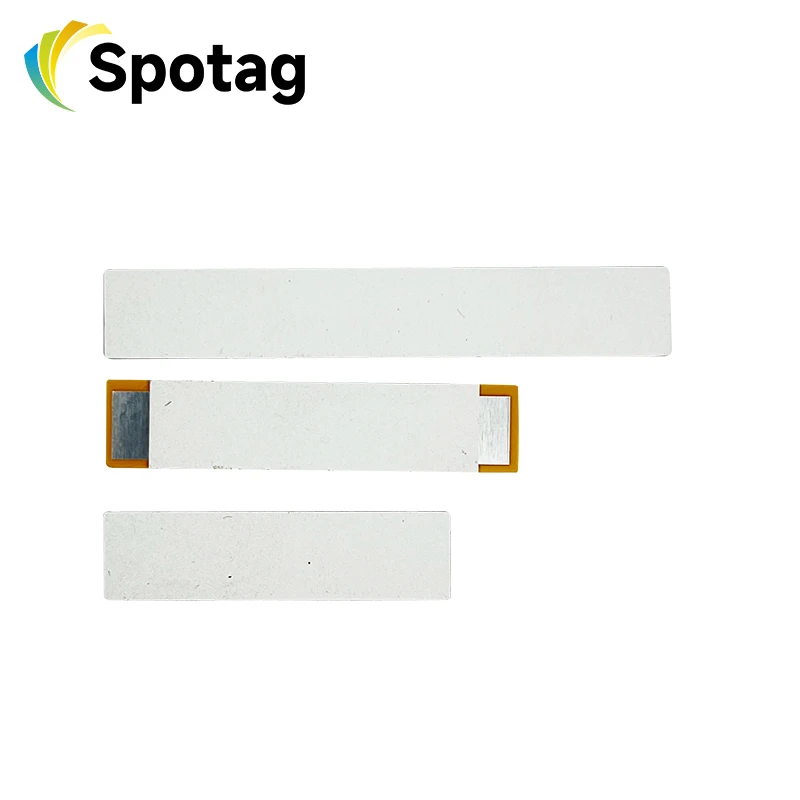
First off, let's understand what RFID tire tags are. We offer different types like Tire Sticker, Spring Tire Tag, and Printable Tire Tag. These tags are embedded with a unique identifier that can be read wirelessly by RFID readers. They're used in various industries, from automotive manufacturing to logistics, to track and manage tires throughout their lifecycle.
Inventory Management Software
One of the most basic yet essential software for RFID tire tag data management is inventory management software. This type of software helps you keep track of your tire inventory in real - time. With RFID tags on each tire, you can easily scan them as they enter or leave your warehouse.
Let's say you're a tire distributor. You receive a shipment of tires from the manufacturer. As soon as the tires are unloaded, you can use an RFID reader to scan the tags. The inventory management software will then update your stock levels automatically. This way, you always know exactly how many tires of each type you have in stock.
It also helps with preventing overstocking or understocking. If the software shows that a particular type of tire is running low, you can place an order with the manufacturer in time. On the other hand, if there's an overstock, you can plan promotions or find alternative markets to sell the excess tires.
Fleet Management Software
For companies that operate large fleets of vehicles, fleet management software integrated with RFID tire tag data is a game - changer. Tires are a significant expense for fleets, and proper management can save a lot of money.
The software can monitor the condition of the tires on each vehicle in the fleet. RFID tags can be used to track tire mileage, pressure, and temperature. For example, if a tire's pressure drops below a certain level, the software can send an alert to the fleet manager. This allows for timely maintenance, reducing the risk of tire blowouts and improving fuel efficiency.
Moreover, fleet management software can optimize tire rotation schedules. By knowing the exact mileage and wear of each tire, the software can determine the best time to rotate the tires. This extends the lifespan of the tires and ensures even wear across all tires on a vehicle.
Quality Control Software
In the tire manufacturing process, quality control is of utmost importance. Quality control software that works with RFID tire tag data can help ensure that each tire meets the required standards.
During the manufacturing process, RFID tags can be attached to the tires at various stages. The software can record data such as the materials used, manufacturing date, and production line details. This data can be used to trace the origin of any defective tires.

If a tire fails quality control tests, the software can quickly identify all the other tires that were produced under the same conditions. This allows for targeted recalls and reduces the impact on the company's reputation.
Analytics Software
Analytics software is used to make sense of all the data collected from the RFID tire tags. It can generate reports and insights that help in making informed business decisions.
For instance, analytics software can analyze tire failure rates based on different factors such as tire type, location, and usage patterns. If you notice that a particular type of tire has a higher failure rate in a certain region, you can investigate the cause. It could be due to road conditions, climate, or improper installation.
The software can also predict future tire demand based on historical data. This helps in production planning and inventory management. By analyzing trends in tire sales, you can anticipate changes in the market and adjust your strategies accordingly.
Choosing the Right Software
When choosing software for managing RFID tire tag data, there are a few things to consider.
First, compatibility is key. The software should be able to work seamlessly with your existing RFID readers and hardware. It should also be able to integrate with other business systems such as your accounting and customer relationship management (CRM) software.
Second, ease of use is important. Your employees should be able to learn and use the software without extensive training. A user - friendly interface can improve productivity and reduce errors.
Third, scalability is crucial. As your business grows, the software should be able to handle an increasing amount of data. You don't want to have to switch to a new software system every few years.
Conclusion
In conclusion, having the right software for managing RFID tire tag data is essential for any business involved in the tire industry. Whether you're a manufacturer, distributor, or fleet operator, the right software can help you improve efficiency, reduce costs, and enhance customer satisfaction.
If you're interested in learning more about our RFID tire tags and how they can work with the software solutions I've mentioned, feel free to reach out. We're always happy to have a chat and discuss how we can meet your specific needs. Let's work together to take your tire management to the next level!
References
- "RFID in the Tire Industry: A Comprehensive Guide", Industry Insights Magazine
- "Best Practices for Tire Management with RFID Technology", Fleet Management Journal
- "Quality Control in Tire Manufacturing: The Role of RFID", Manufacturing Today
